
It's Perfect
I am not much of a car guy – if it gets me from point A to point B, it works for me. However, I know there are some people who have their dream car. For some, it might be a classic car that evokes childhood nostalgia. For others, it might be one with a particular design or level of power that they want to experience. If someone has the opportunity to actually purchase their dream car, you will likely hear these words as they feast their eyes on it: “It’s perfect!”
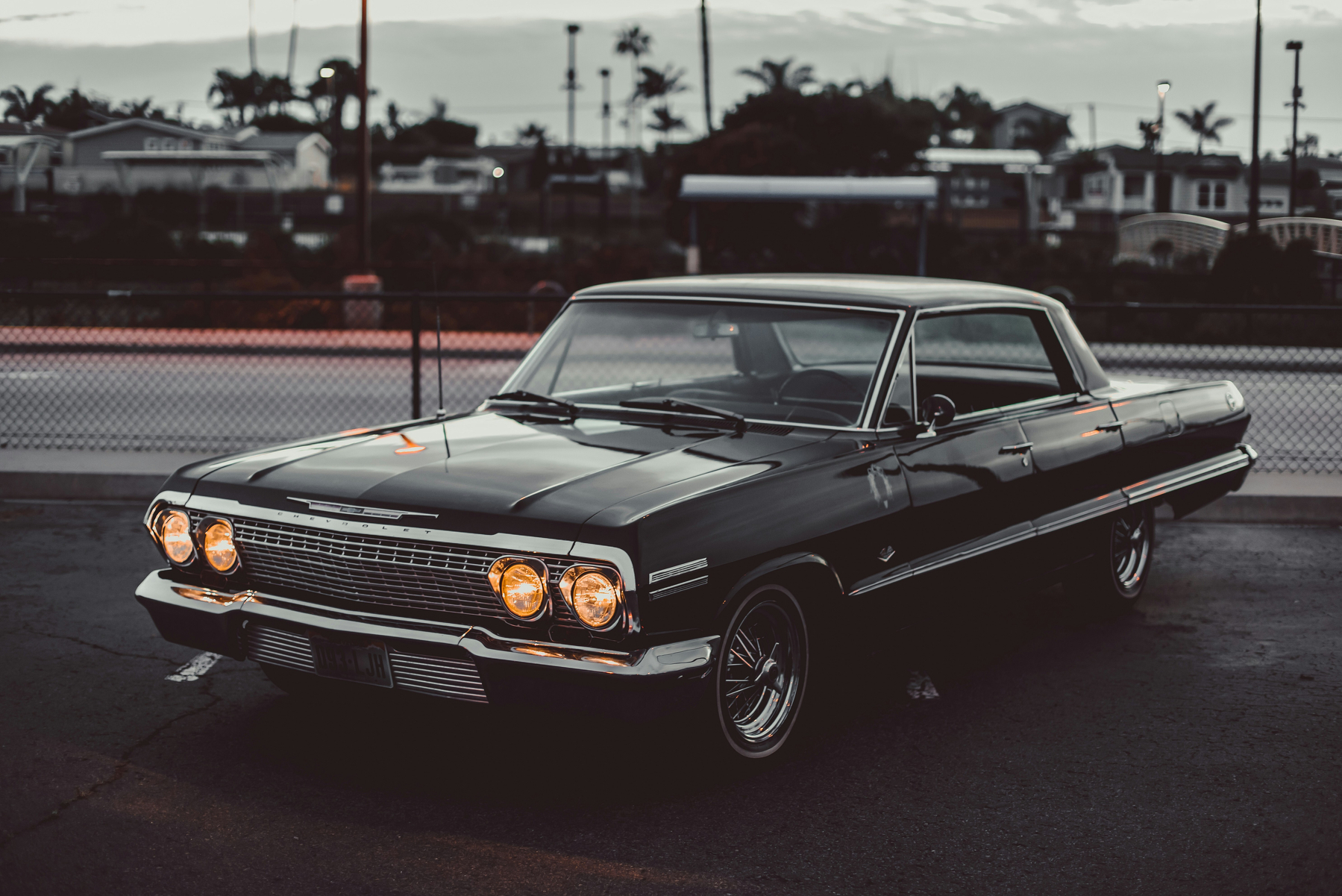
That car will always be perfect in their minds. Even if it has a few dents or scrapes, the fact that they have the car that they have dreamed about driving has made a huge difference for them. In fact, that car will be so special that the owner will treat it with distinction and set it apart from any other vehicle they have ever driven. You know the owner will keep up the vehicle's maintenance when things like oil, tires, and other parts need replacing (as I said, I am not a car guy). In fact, they might be willing to put a pretty penny and lots of time into restoring the car to keep it running for another generation.
Well, this illustration can help us better understand holiness in the lives of believers. John Wesley saw God’s grace throughout the journey of salvation as pointing believers towards holiness and Christian perfection. The term “perfection” can be a bit of a loaded word in today’s context. We might think of perfection as some ethereal super-human that has not and will never exist, or maybe we think of perfection as something only achievable in heaven. John Wesley had a different perspective on “perfection.” For Wesley, perfection meant more of a completeness or fulfilment in how we morally relate to God.1 In this moral perfection, we are uniquely set apart by God’s grace and empowered to live a holy life in obedience. It is in this sense that Wesley taught about Christian perfection.
However, we may still have areas that are not perfect, such as our physical bodies and characteristics, which means that we may still have issues with our bodies, such as sickness, deformities, lack of knowledge, etc. We may also be imperfect in the ways that we relate to one another, even though we may have pure intentions in our hearts.2 These areas of the image of God will not be fully restored until eternity, but even now, God can transform us to be holy in how we live for God and show his love to humanity.
What does this have to do with a dream car? Let me suggest three things. First, just as a dream car is perfect despite any dents, dings, or other damage to the physical car, God’s holy people can be perfect in their love despite ageing, physical challenges, or differences in ability. We can still experience all these things in this life and remain perfect in Christian holiness. Second, just as a dream car may be involved in an accident or even make a traffic mistake, we may also make mistakes in this life, even if we have the purest of intentions. Those mistakes do not strip us of holiness thanks to God’s grace. Third, even the perfect dream car needs ongoing maintenance and care. Likewise, a holy believer still needs to grow and develop as a believer. Our “regular maintenance” is through our participation in the means of grace – those practices which help us experience God’s grace throughout our salvation journey.
While the illustration of a dream car may not be the “perfect” (pun intended) way to explain holiness, it can help us better understand how John Wesley understood Christian perfection in the life of the believer. Christian perfection does not mean that we are ultra-human. Instead, God’s grace works in our lives daily to help us live completely, fully, and perfectly for him. When God looks down upon his sanctified people, the words on his lips are: “They’re perfect.”
1 Randy L. Maddox, Responsible Grace: John Wesley’s Practical Theology (Abingdon Press, 1994), 68.
2 Ibid.
Photo by Bradley Dunn on Unsplash