
Theory and Theology - Better Together
When I began teaching at The Salvation Army’s College for Officer Training, I had a small understanding of the role that the social sciences play in Christian educational development. In all honesty, I did not see my classes as “Christian education” because, in my experience, Christian education was another name for Sunday school. 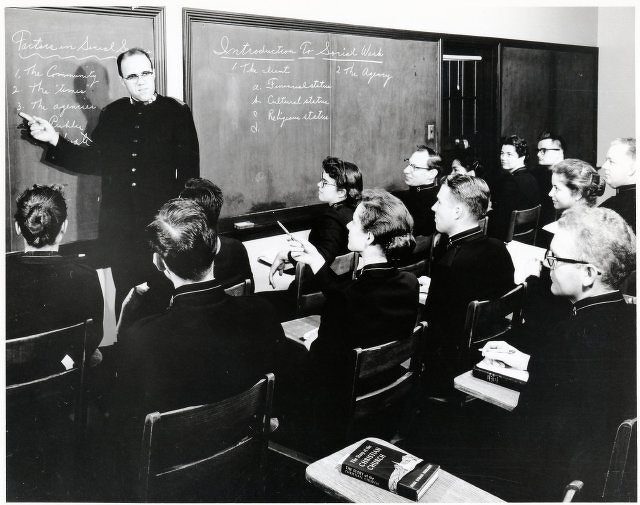 When I started teaching my classes, my focus was on transmitting information, knowledge, and practice from me to my students. I quickly learned that some of the social science principles I had previously studied in classes on Christian education (i.e., deductive vs. inductive learning, various learning styles, lesson planning, etc.) would be important for teaching adults as well. Even then, those principles were distinctly separate from the theological content of the courses I taught.
James Riley Estep, Jr. asks an important question for all who engage in some form of Christian education within the church: “What makes education Christian?” He writes, “The use of the word Christian as an adjective requires a judgment or assessment to be made about the subject in question. As expected, such assessments imply that certain criteria are used to determine if something is Christian or not.”1 Previously, I would have said that the content of education is what makes it “Christian education,” but this is a very narrow view. 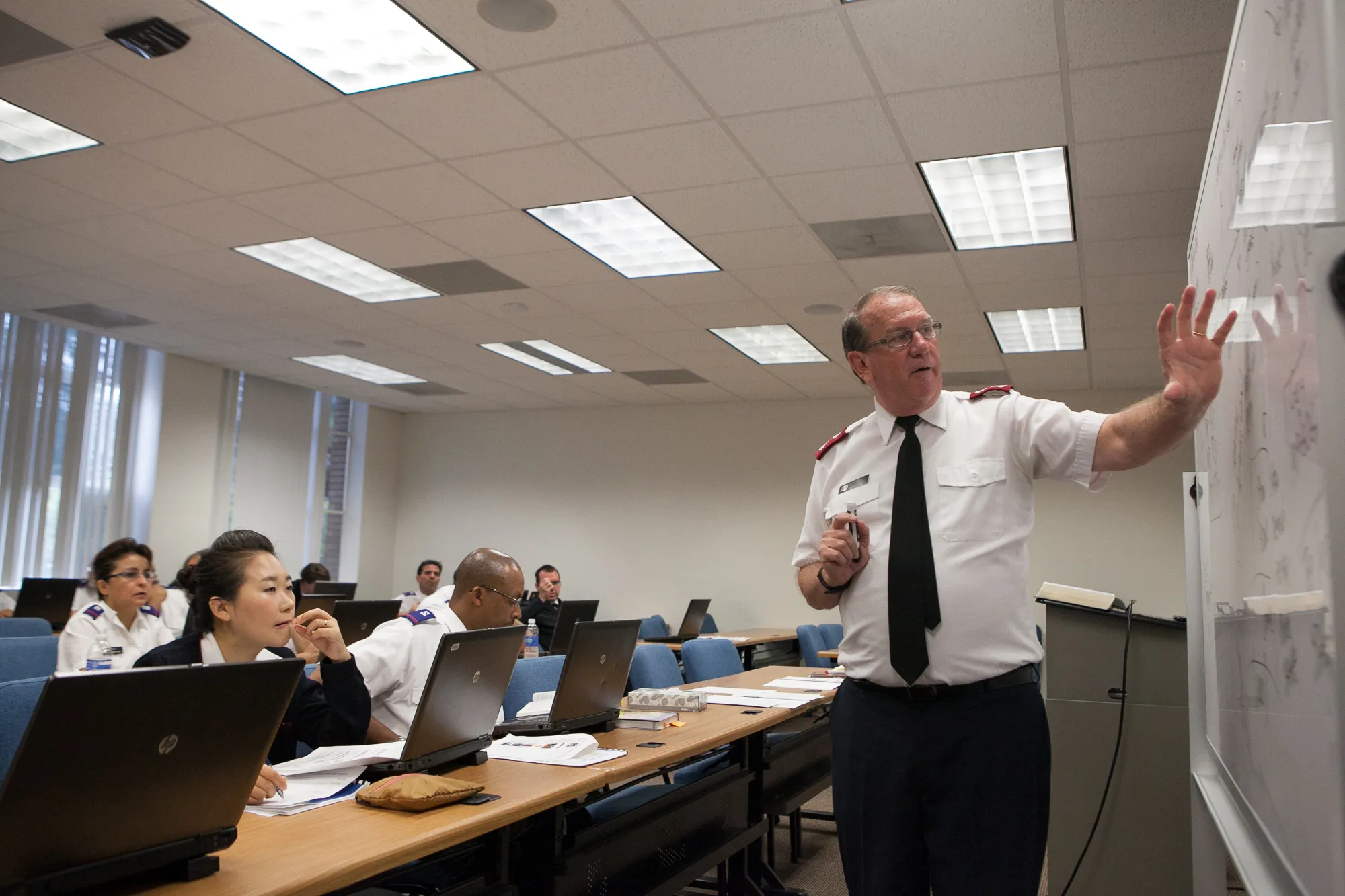 Instead, Christian education is Christian because of the nature of its content, method of transmission, missional purpose, understanding of learning development, engagement of the social sciences in learning, and much more. Rather than merely being the content of learning, a Christian foundation supports the entire educational process.
Estep argues that many will favour either a theological or a social science approach to Christian education.2 We may use both, but often independently or preferring one over the other. My tendency has been to downplay the social sciences in learning in favour of the theological content. For example, when I taught the doctrine sequence at our College for Officer Training, I could not have imagined teaching it without a final exam. After all, I thought the students needed to prove they understood the theological doctrines, and an exam was the best way to do so. I understood that some students have testing anxiety, which can impact their performance on exams, but how else would they have proven their comprehension of the content? Only when another instructor began teaching the sequence did I understand that the social sciences have answers for this. Interactively integrating the social sciences with theological content can surface alternative teaching methods that are better informed by students’ learning styles while remaining faithful to the content.
Estep suggests that there are five key implications for educators by having an integrated approach to engaging the social sciences and theology:
- Christian educators must be well read in both educational theory and theology.
- Christian educators must think theologically about their ministry beyond the level of content.
- Christian educators must write their own theological approach to education so they can intentionally continue to more thoroughly refine and express a Christian education.
- Christian educators must share their theological convictions within an educational context so they can orient and motivate others in the task of teaching.
- Christian educators must dialogue with other professionals to glean further insights into both the theology and theory of their ministry.3
These implications mean Christian educators will allow theology to inform our educational theory while the social sciences will also inform our theological educational methods. To be honest, many Christian educators (me included) are not great at this integrated approach. We certainly have room to improve by welcoming the social sciences as an essential part of our approach to education. Many tend to downplay the social sciences because they may feel like something secular or foreign to the realm of Christian education. Instead, we should embrace what Estep calls a “paradigmatic view” – “The social sciences and theology are both valued as necessary and legitimate, [where] both are used simultaneously and interactively.”4
1 James R. Estep, “What Makes Education Christian,” in A Theology for Christian Education, by James R. Estep et al. (B&H Publishing Group, 2008), 25.
2 Ibid., "What Makes Education Christian," 33-34.
3 Ibid., "What Makes Education Christian," 42.
4 Ibid., "What Makes Education Christian," 37.
Photo Credits
Caring Magazine
USA West Candidates